Loading...
Serving Victorville, CA and surrounding areas. (442) 219-3021
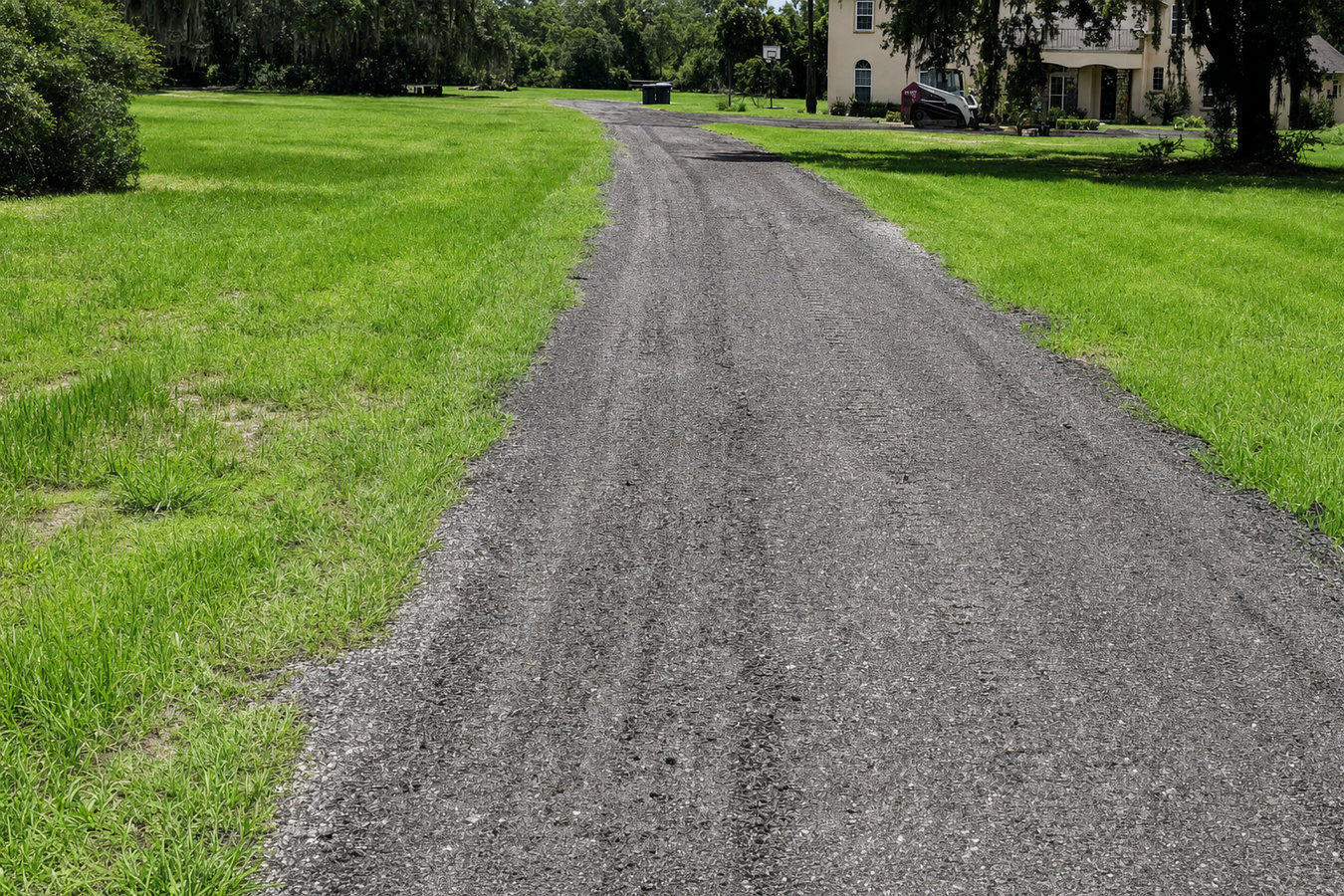
If your base is still solid, milling removes the damaged top layer and gives you a new overlay that bonds tight - without the cost and disruption of starting from scratch.
Asphalt milling in Victorville uses a machine with a rotating drum of carbide teeth to grind off the top layer of a damaged driveway or parking lot - leaving a textured base that a fresh overlay bonds to tightly, with most residential jobs completed in one to two days from start to finish.
In the High Desert, asphalt surfaces age faster than in most of California. The same relentless UV that fades paint and dries out wood breaks down asphalt binder, turning driveways gray and brittle well before they structurally fail. When the surface looks done but the base is still solid, milling is the smart path - you get a surface that looks and performs like new without the cost of ripping everything out. Milling is often the right step before asphalt resurfacing, since grinding the old surface first gives the new overlay a clean, bonded foundation rather than a compromised one.
If your driveway shows a network of cracks but does not flex, sink, or feel soft when you walk or drive on it, the base is likely still good. That combination - surface damage, solid foundation - is exactly what milling is designed for. You remove the damaged top and keep the solid base you have already paid for.
Multiple rounds of crack filling and patching leave a surface that is uneven, mismatched in color, and no longer performing well. Milling strips all of that away and gives you a clean, uniform base for a fresh overlay - one consistent surface instead of a collection of repairs piled on top of each other.
In Victorville's high desert climate, UV rays break down asphalt binder faster than in most other parts of California. When your surface has gone from black to gray and small pieces of aggregate are loosening and coming away, the top layer has oxidized past the point where sealing alone will help. Milling removes that degraded layer entirely.
Low spots and surface deformation trap water on a driveway instead of letting it sheet off. In the Victor Valley, even infrequent monsoon-season rain events can exploit these low areas and accelerate deterioration. Milling allows the contractor to re-establish a proper drainage slope before the new overlay goes down.
We mill residential driveways, shared private drives, and small commercial lots throughout Victorville and the Victor Valley. Every milling job includes a base assessment before the machine starts - because milling only makes sense when the base is still structurally sound, and we will tell you honestly if a deeper repair is the right call instead. The milled-up material (called reclaimed asphalt pavement) is hauled away for recycling, not dumped - a practice supported by the National Asphalt Pavement Association, which has helped make asphalt one of the most recycled materials in construction. After milling, we can place the new overlay the same day or the following morning - and if your property also needs work around drainage or adjacent surfaces, our drainage solutions team can coordinate that work in the same project window.
Milling is also the right first step when the existing pavement height is too high relative to curbs, garage aprons, or adjacent concrete surfaces - paving over old asphalt instead of milling first is a common shortcut that causes the overlay to fail early and creates height mismatches at the edges. We follow the asphalt resurfacing process correctly: mill first, then overlay, so the finished surface is level and the new material has a proper bond.
Best for homeowners with a cracked, oxidized, or uneven driveway where the base is confirmed solid and an overlay will fix the surface completely.
Best when a new asphalt layer is planned and you want it to bond properly, maintain correct height at the edges, and last as long as possible.
Best for properties with low spots or drainage problems that a simple overlay would not correct - milling lets us re-establish the proper slope first.
Best for HOAs, small commercial properties, or private roads where the surface has degraded but the subgrade is still in good shape.
Victorville sits at the southwestern edge of the Mojave Desert in San Bernardino County, where summer temperatures regularly climb above 100 degrees and UV exposure is far more intense than anywhere near the coast. That combination is especially hard on asphalt binder - the material that holds aggregate together in a paved surface. Once the binder oxidizes, the surface turns gray and brittle, small stones start to loosen, and no amount of sealing will restore what has been lost. Milling removes that oxidized layer entirely and replaces it with fresh, flexible material that is far better equipped to handle the desert heat. Homeowners in neighboring Hesperia and Apple Valley face the same climate and the same surface-aging patterns - this is a regional condition, not a property-specific one.
The caliche and sandy desert soils throughout the Victor Valley also create unique conditions for base assessment before milling. Caliche - a hardened calcium carbonate layer common in Mojave soils - can provide a firm base, but it can also create drainage problems if water pools above it rather than draining through. Before milling, we check whether drainage issues are contributing to surface deterioration, because no overlay will last if water is sitting under it. The best time to mill and repave in Victorville is spring or fall, when moderate temperatures give the crew and the fresh asphalt the best conditions. Summer work is possible - we schedule early morning starts and manage the mix carefully - but spring and fall slots fill up quickly for a reason.
For permit questions specific to your address, California's right-of-way and permit requirements for pavement work on private property are administered at the local level through Caltrans and the relevant city or county office.
Call or use our contact form to describe the area - approximate size, current condition, and what you want to accomplish. We reply within one business day and schedule a free on-site visit to measure the area and assess the base. You get a written estimate with no pressure to commit.
We walk the surface and check for soft spots, significant settling, and drainage slope. This assessment determines whether milling is the right path or whether a deeper repair is needed first. We will tell you honestly if the base has failed - because milling over a bad base produces a result that fails quickly.
The milling machine grinds to the agreed depth while the crew wets the surface to control dust. Once complete, the reclaimed material is loaded into trucks and hauled away for recycling. The crew sweeps and blows the surface clean so it is ready for the overlay crew.
The paving crew places the new asphalt layer - sometimes same day, sometimes the next morning - and a roller compacts it while still hot. Edges are hand-tamped for a clean finish. The surface is usually ready for vehicles within 24 hours. We walk the finished job with you and advise on sealcoating timing.
Free on-site estimate. We assess the base first and give you a straight answer before any work starts. Replies within one business day.
(442) 219-3021We have been milling and paving in the High Desert since 2015. That means we know the soils, the caliche conditions, and how the summer heat affects asphalt placement in this specific region - not a general California approach applied here, but work done with the Victor Valley in mind.
We will not recommend milling if the base has failed. Walking the surface and checking for soft spots, drainage issues, and base integrity is part of every estimate. If a full reconstruction is the honest answer for your situation, we say so - because a milled overlay on a compromised base is money you will spend twice.
The ground-up asphalt from your project goes to a processing facility where it gets blended back into new mixes - not hauled to a dump. Asphalt is one of the most recycled materials in construction and keeping it in that loop is both environmentally responsible and consistent with California's materials-recycling expectations.
Your written estimate specifies the milling depth, overlay thickness, square footage, and what happens to the reclaimed material. That document protects you - if a detail is not in the written scope, it does not appear on the invoice. Compare quotes on equal terms, not on assumptions about what is included.
Local experience with desert soil and High Desert heat is a real differentiator in this work. When you call us you are getting a crew that has milled driveways in Victorville summers and knows how to manage the conditions - not a company that primarily works in cooler coastal markets and makes adjustments on the fly.
Re-establish proper slope and channel water away before the new overlay goes down - the right companion to milling when drainage issues are part of the problem.
Learn MoreA fresh asphalt surface placed over your milled base - milling first and resurfacing second is how a new overlay gets the bond and lifespan it is supposed to deliver.
Learn MoreGet a free on-site estimate before the best weather windows are gone. We assess your base, give you a straight answer, and schedule around your timeline.